Crop or Full Frame: What Changes in a Shared Image?
Compare a crop with the full frame to see which visual details have disappeared, what they change in interpretation, and what neither version can prove.
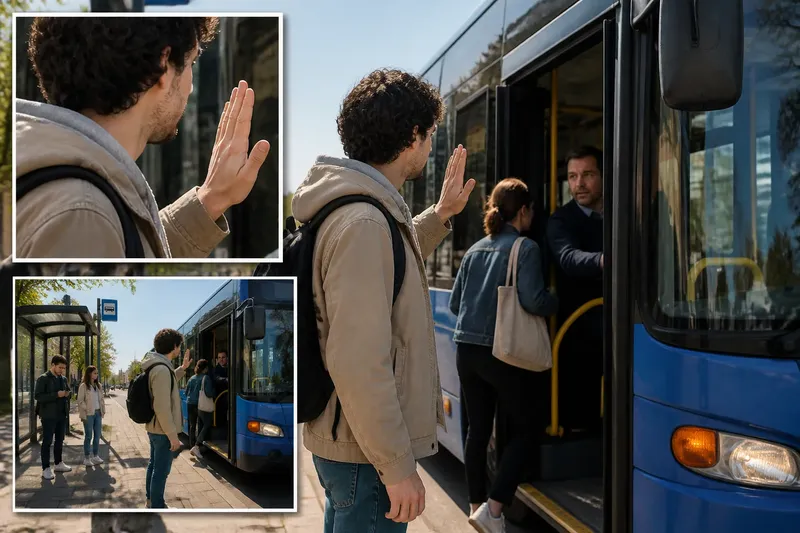
The common mistake with a cropped image is treating its visible edges as the edges of the scene. A tight crop can make a person, sign, or gesture seem to be the whole story, while the missing surroundings might change how the moment reads. Comparing a crop with the full frame can reveal what was excluded; it cannot, by itself, establish which account of the scene is true.
That distinction matters when an image arrives in a post without a clear source, caption, or link to the original. The practical task is not to guess what the missing area contains. It is to identify what changed between versions, separate visible facts from interpretation, and decide what remains unknown.
Why does a crop feel like a complete scene?
A frame supplies boundaries. When an image is cropped, those boundaries move inward, removing some of the scene while giving the remaining subject more visual weight. A close view of a hand raised near a doorway may look like a confrontation. A wider frame might show a wave to someone outside the picture, or it might show something else. Without the wider view, neither reading is established.
People also infer context from ordinary visual cues: who is nearby, where a person is looking, what an object is next to, or whether a sign is attached to a wall or held in front of it. A crop can remove those cues without changing any pixels that remain. The result may still be an accurate part of the photograph, but it offers less information about the scene around it.
Start by describing only what the image visibly contains. “A person’s hand is raised beside a doorway” is an observation. “The person is threatening someone” is an interpretation that requires context beyond those visible details.
What should you do when the full frame is missing?
It is common to encounter a crop with no uncropped counterpart. A post may show a downloaded image, a screenshot of a post, or a photograph that has passed through several accounts. The absence of a wider version does not show that someone deliberately hid context. It simply leaves the image’s boundaries unexplained.
Try to locate the earliest accessible appearance without assuming that the first result you see is the original. Search for a distinctive phrase in the caption, inspect links and account context, or use a reverse-image search tool such as Google Lens. If you find a visually similar image, compare details carefully: matching subject matter does not prove that the files come from the same photograph or that their captions refer to the same moment.
If a larger version is not available, keep the limitation attached to your reading. You can say that the image is cropped and that its surroundings are not visible. Avoid filling the empty space with a story that fits the post’s message.
How can you compare a crop with a wider image?
Place the versions side by side if possible. Use an image viewer on a computer or phone, rather than relying on memory as you switch between posts. Look for the same stable details in both: a face, a sleeve pattern, a window edge, or a mark on a sign. Then note what appears outside the crop’s boundaries.
Pay attention to the four edges, not only the center. The left or right edge may reveal another person; the top may include a sign or object; the bottom may show what someone is holding or standing on. A wider frame may add context, but it may also remain incomplete. “Full frame” means uncropped relative to a particular version, not necessarily that the camera captured every relevant part of an event.
Say you see a post showing a person beside a bus, with a caption claiming that the person is blocking its door. You locate a wider image in which the person is standing near the open door, and another person appears just beyond the crop. That added detail changes what you can observe about the arrangement. It does not establish what happened before or after the photograph, or why anyone was standing there.
What can the edges show, and what can’t they prove?
Edges can clarify spatial relationships. They may show that two people are farther apart than a crop suggests, that a sign belongs to a different storefront, or that an object is attached to something outside the tight frame. They can also reveal that the cropped subject is part of a larger group or scene.
But a wider image is still a still image. It does not supply sound, sequence, motive, or the events just outside the camera’s view. Even a broad frame can omit people behind the photographer, a preceding action, or a relevant exchange. A crop comparison can correct an overly narrow visual impression; it cannot settle every claim made about the moment.
Separate three layers in your notes: what the image shows, what the caption says, and what you infer. This simple separation makes disagreement easier to describe precisely. It also keeps a new detail from being mistaken for proof of an entire account.
Why do two versions have different borders?
Different borders do not always mean deliberate editing. Social platforms often display images inside fixed shapes, and a preview may trim the sides or top. A person sharing a post may crop an image for emphasis, fit it into a collage, or remove empty space. Screenshots can add another layer by capturing only the part of a screen that was visible.
Distinguish a display crop from a changed image where you can. Open the image itself rather than judging only its thumbnail. Check whether the subject appears cut off in the post but whole after opening, and whether the surrounding interface is part of a screenshot rather than the photographed scene. A platform’s presentation can make an image look more tightly framed without altering the underlying file.
If the versions differ in content as well as framing, do not call every difference a crop. Added text, erased objects, altered color, or shifted elements raise separate questions about editing. Describe the visible difference plainly, and avoid assigning intent unless there is evidence beyond the difference itself.
What questions help when a crop and full frame disagree?
Does a wider frame prove the caption is false?
No. It may contradict a specific detail or make the caption less persuasive, but the photograph alone may not resolve the full claim. State exactly which visible element changes the reading and what remains outside the image.
Can I tell who cropped the image?
Not from the crop alone. A platform preview, a screenshot, or a later account may have introduced the framing, and the available post history may not identify where that happened.
Is the uncropped version always more reliable?
It can provide more surrounding visual information, but a wider view is not automatically authentic, complete, or correctly captioned. Consider its source and whether the versions share matching visual details before treating them as related.
What if I cannot find another version?
Report the limit rather than guessing: the image is cropped, and no wider version is available to you. You can still describe what is visible, but leave claims about excluded surroundings unresolved.
How should you describe the image when you share it?
Use wording that makes the boundary clear. “This cropped image shows a person beside a doorway; I have not located a wider version” is more informative than presenting the frame as a complete account. If you do share a wider version, explain which added details affect your interpretation and which claims they do not settle.
Keep both versions when the comparison itself matters, and identify them as the crop and the wider image rather than silently replacing one with the other. If the source of either version is uncertain, say so briefly. Avoid adding an accusatory caption that turns an unresolved visual question into a claim about someone’s intent.
When evaluating a shared image, the useful question is not simply whether it is cropped. Ask what the crop removes, what the wider frame actually adds, and where the evidence stops. That habit lets you describe a change in interpretation without pretending that the frame can tell the whole story.